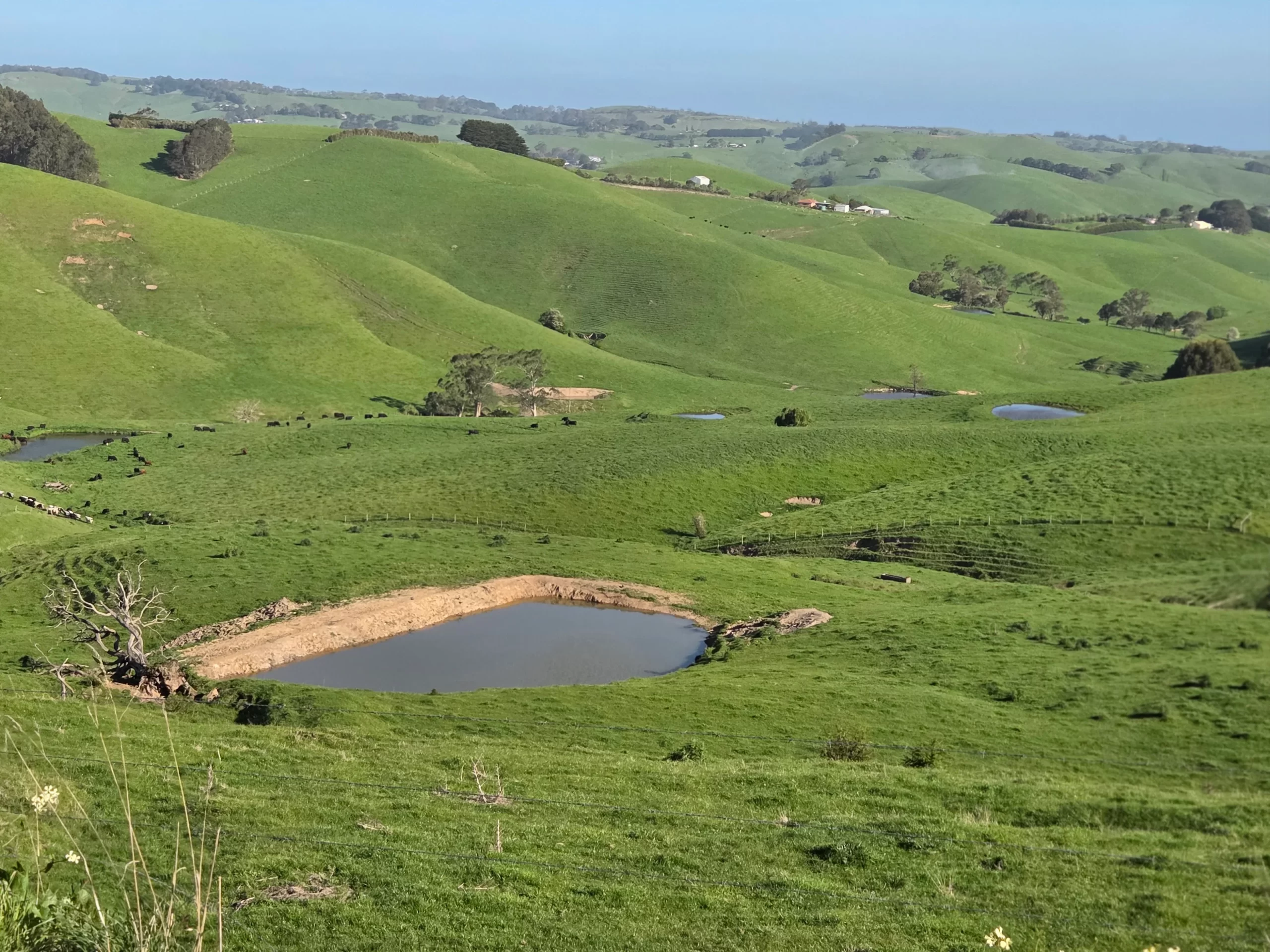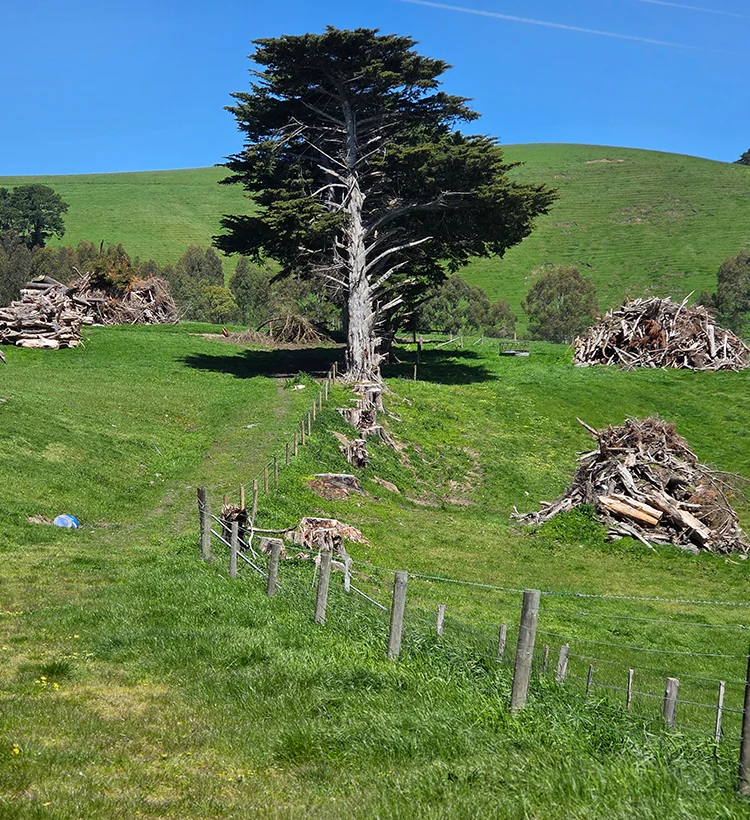
Plan culvert installation in South Gippsland with Earth Moving & Trees for excavation, grading and drainage earthworks around rural access routes.
On a South Gippsland property, culvert installation may be appropriate where a rural driveway, farm track or access road crosses an established drainage path. The right outcome depends on site levels, expected water movement, vehicle use, outlet conditions and any approval or engineering requirements.
Where Culvert Installation Fits a Rural Drainage Plan
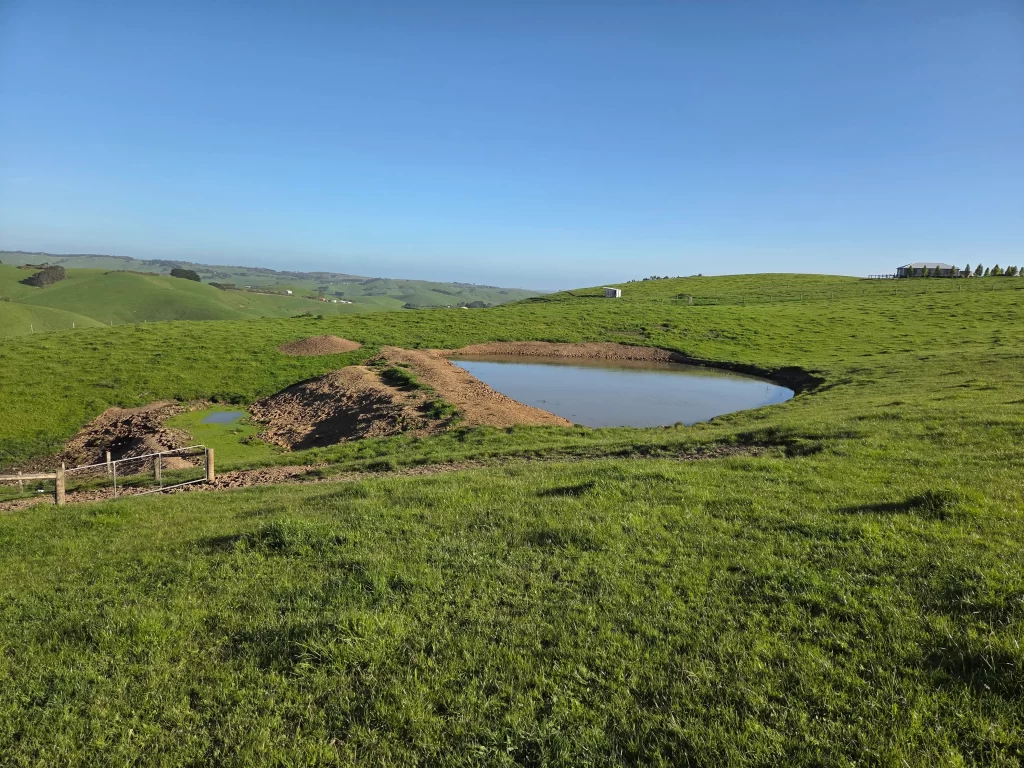
A culvert carries water beneath an access route so runoff can continue along a suitable drainage path. It is not a universal solution for every wet area. Ponding may also result from blocked drains, inadequate grading, compacted ground or an unstable outlet, so the source of the problem should be assessed before excavation starts.
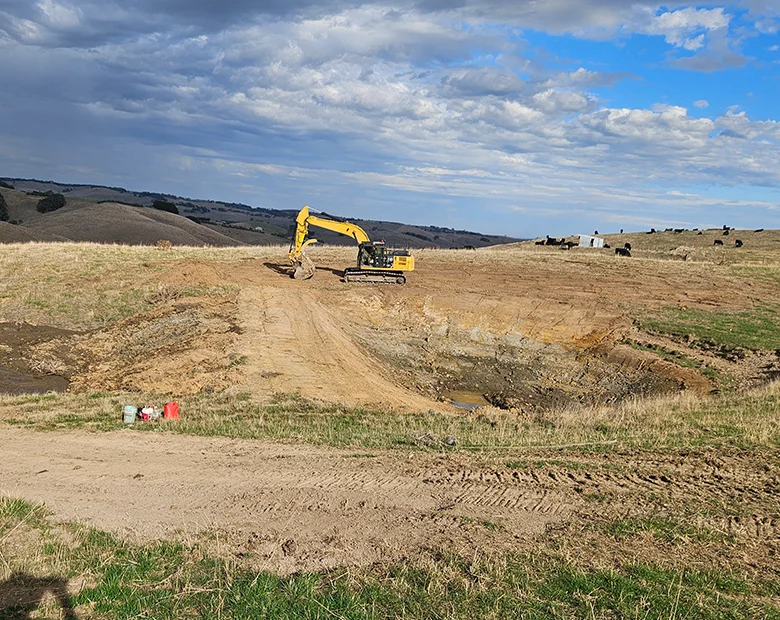
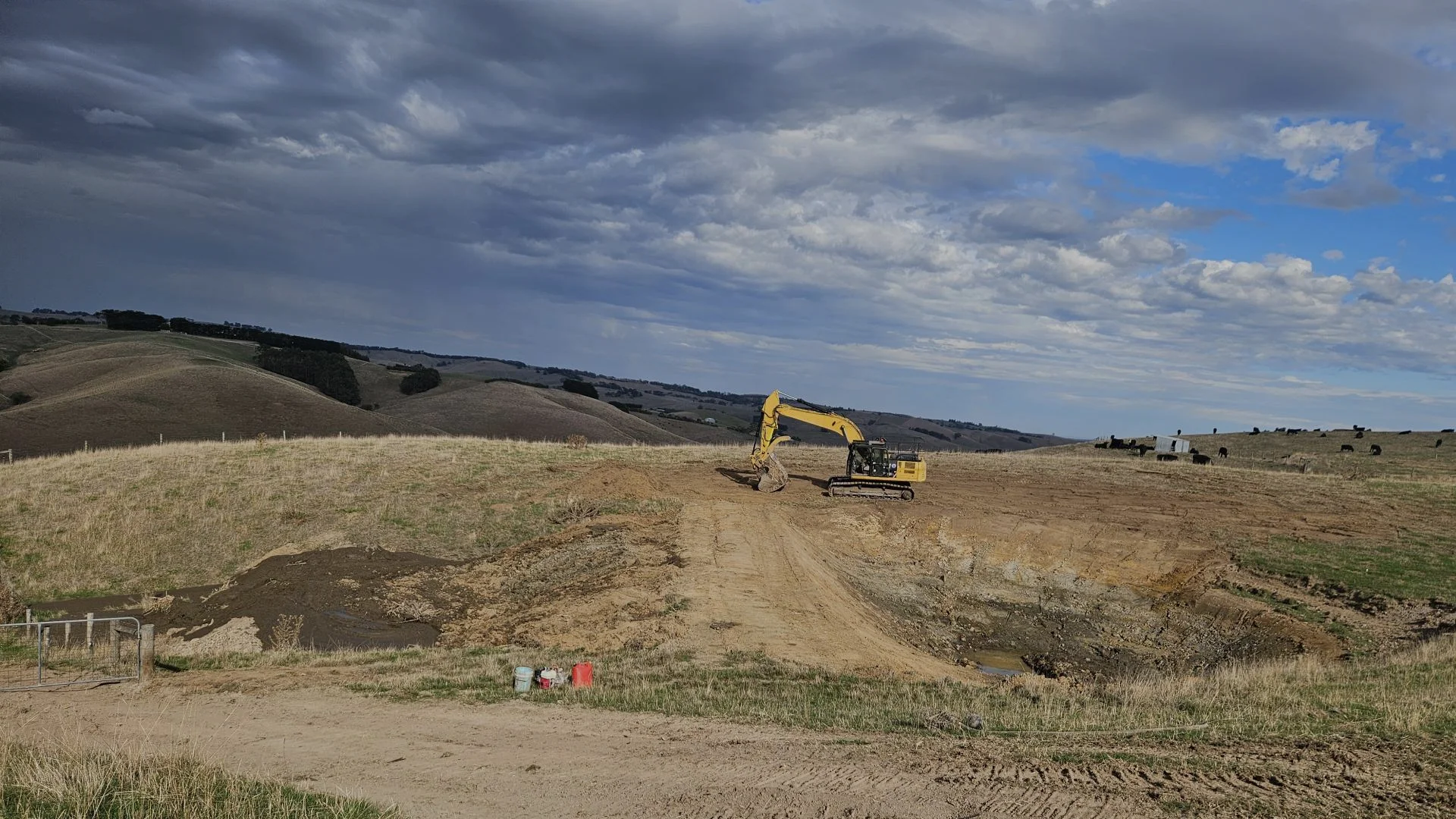
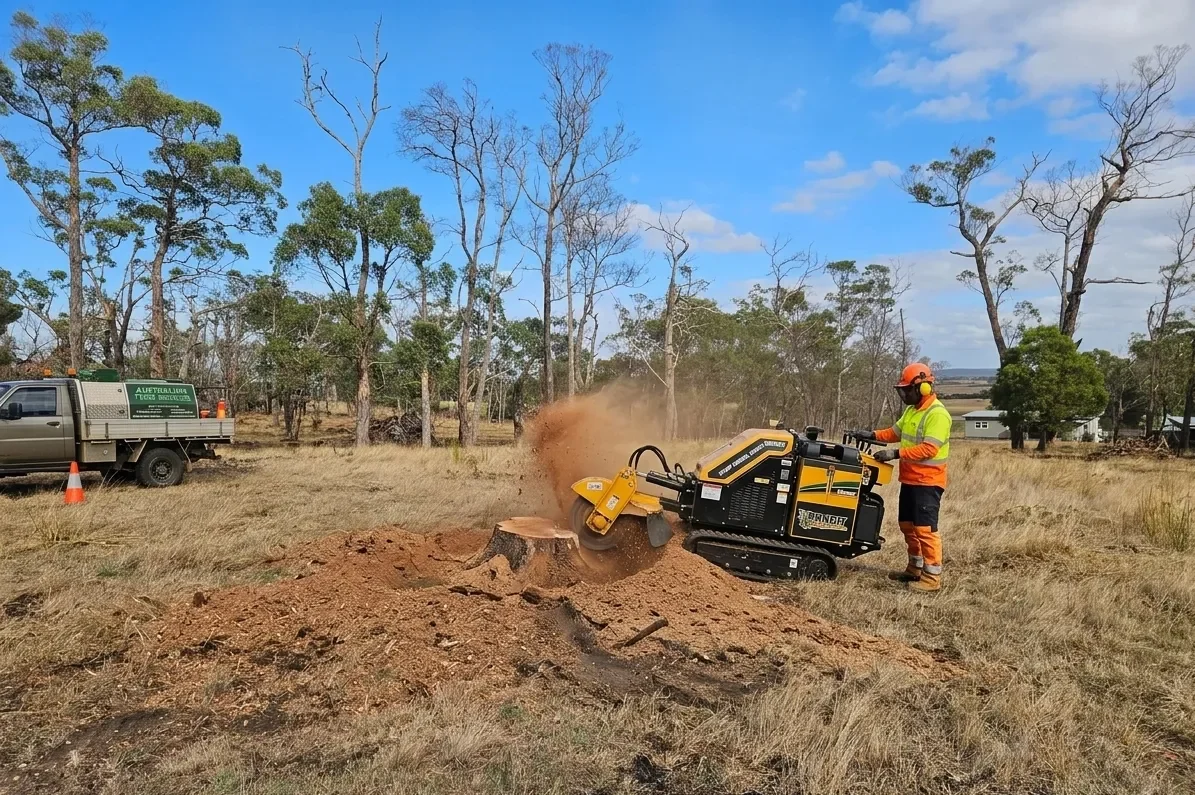
At Earth Moving & Trees, we provide excavation, grading and drainage earthworks that may form part of a culvert project. We can prepare the crossing, manage excavated material and shape surrounding ground within the agreed scope. Pipe sizing, load capacity and structural details must be confirmed by the relevant authority or a suitably qualified adviser where required.
Planning Factors for Rural Access Crossings
A practical scope should reflect the land and the way the crossing will be used. Important checks include:
- Existing water path: Identify where runoff currently enters and leaves the proposed crossing.
- Traffic and loads: Consider cars, farm machinery, delivery vehicles and other regular users.
- Levels and cover: Confirm the pipe grade, road height and required cover before construction.
- Inlet and outlet condition: Plan for erosion, debris and accessible maintenance points.
- Nearby services: Locate underground services and account for fences, vegetation and work access.
- Approvals: Check council, road-reserve and planning requirements before committing to the work.
South Gippsland Shire Council states that a Working in a Road Reserve permit is required for works such as driveway construction and culvert installation within a road reserve. Its working within a road reserve guidance is the appropriate starting point if the proposed work reaches a nature strip or public road. Private-land projects can have different requirements, so responsibility should be confirmed for the specific site.
Reducing Washouts and Ongoing Maintenance Problems
Poorly directed runoff can scour track edges, carry away gravel and leave access areas difficult to use. A culvert installation should therefore be considered as part of the wider drainage system, not as an isolated pipe in the ground.
Our article on drainage excavation and erosion control explains how slope, soil, existing flow paths and the discharge point affect drainage works. For a driveway upgrade, our rural access and grading overview also covers the connection between formation, drainage and reliable vehicle access.
How We Support the Earthworks
Our South Gippsland earthworks services include excavation, trenching, grading, drainage-system earthworks, loading and carting fill. We use equipment suited to rural sites, including a CAT 326 excavator, CAT D7 bulldozer, tractor and tip trailer.
Before quoting, we need to understand the location, access route, visible drainage issues, and intended vehicle use. This helps us define a practical excavation scope and identify details that require council or engineering input.
Arrange a Site Assessment
Early planning can reduce rework and help coordinate drainage, access and approvals before machinery arrives. For a quote covering excavation, grading and drainage earthworks associated with a proposed culvert, send us your site photographs, access details, intended vehicle use and project location. We will assess the earthworks scope and explain the next practical step for your South Gippsland property.